Empower Your Teen in Spring, TX: kids martial arts Condition 1 Combat Center
Parents tell me the same story in slightly different ways. Their teen is bright, capable, and often glued to a screen. Confidence comes in waves. When pressure hits, decision making gets shaky. They want grit without aggression, calm under stress, a healthier routine, and friends who share positive habits. In Spring, TX, that mix exists inside a quality martial arts school. Condition 1 Combat Center has built a reputation for practical self defense, purposeful conditioning, and coaching that respects adolescent development. If you are weighing kids martial arts for your teen, here is what matters and how this facility puts the pieces together.
What teens actually get from martial arts when the program is done right
A belt is symbolic. The real value shows up in how a teen carries themselves on a Tuesday afternoon, or how they handle a snide comment in the hallway without https://reidzjkg747.keystonescope.com/posts/after-school-martial-arts-classes-in-spring-tx-by-condition-1 taking the bait. Good training asks a young person to solve problems with their body and mind at the same time. Footwork to get offline, a frame to hold space, words to set boundaries, breathing to keep the pulse in a reasonable range. Repetition turns that into second nature.
Teens benefit most when coaches teach decision trees instead of memorized sequences. If someone grabs your backpack strap, do you step back, circle to the outside hand, or drop weight and post? In sparring, do you disengage and reset, or enter the clinch to shut down a flurry? That kind of branching path builds judgment. Over months, teenagers become less reactive. They see options, not threats.
The confidence piece matters, but it should not be noisy or performative. It looks like eye contact and a steady stance while saying, Please step back. It sounds like No thanks, I am leaving now, with the feet already moving. Humility grows next to confidence because the mat gives immediate feedback. You either balanced your base or you did not. That honesty is good for adolescents who are navigating identity, peers, and pressure.
A look inside coaching at Condition 1 Combat Center
Condition 1 Combat Center balances utility and safety, which is harder than it sounds. The training floor is busy but organized. Drills rotate through stations, coaches circulate with specific cues, and the energy stays up without turning chaotic.
Curriculum is layered. Younger teens work movement patterns first, then mechanics: stance, footwork, frames, basic strikes, clinch control, and positional escapes on the ground. As they demonstrate control, they add live rounds. The structure keeps kids engaged without jumping levels too fast.
Here is the part I appreciate as a coach. Corrections are small and actionable. Instead of vague Try harder, you hear Use your lead foot like a compass, pivot until your hips face the exit. Or Keep your elbow as a hinge, not a whip. Those cues change outcomes in a single rep, which keeps teens in the game.
One example stands out from a weeknight class. A 14 year old we will call Marcus had a habit of turning his back when someone pressed forward. It is common, a natural flinch. The coach paired him with a slightly bigger partner who could apply safe pressure. They drilled a simple rule: turn in, not away. Marcus learned to plant his lead foot, rotate toward the pressure, and connect his forearm as a frame. After twenty minutes, he stopped giving up his back. A month later, his mom mentioned he had started facing problems in other areas with the same turn in mindset. That is the transfer you want from kids martial arts at Condition 1 Combat Center.
Real world self defense for teens, not movie scenes
A responsible school teaches how to avoid fights first. The world gives teens enough conflict without adding fantasies of taking down three attackers in a parking lot. Condition 1 Combat Center addresses the common teen scenarios: crowding at lockers, group dynamics after games, strangers in public spaces, dating boundaries, and unwanted horseplay that escalates.
Situational awareness is taught concretely. Where do you stand in a group so you can see exits and not get boxed in? How do you set your backpack so it cannot be grabbed like a handle? What words de escalate, and how do you deliver them with a neutral tone? The program covers boundary language and assertive body posture. Hands visible, palms slightly out, stance staggered, voice low and steady. This is not just talk. Teens practice these steps with partners and role players who push back verbally.

The self defense portion moves logically from verbal to physical. If contact happens, the first layer is structure, not striking. Frames that protect the head and neck. Footwork to get to the outside. Breaks from common holds, like a wrist grab or hoodie yank. If striking is required, it is short, targeted, and designed to create space so the teen can leave. They drill light contact first, then add stress in controlled rounds. Coaches speak clearly about legal and school policy context. The goal is escape, not domination. That framing reduces the risk of overreaction and keeps training grounded.
If you browse condition1combat.com for self defense classes, you will notice the repeated emphasis on practical skills and good judgment. That combination matters for teens who live under school codes and parental rules, not just state law.
How classes build skill without burning kids out
Teens are busy. They have homework, sports, and family schedules. A smart program respects time. Classes at Condition 1 Combat Center are tightly planned. Warmups are purposeful, packed with movement that looks a lot like what will be required later in the hour. Think lateral shuffles, hinge patterns, short balance drills, and short intervals that spike the heart rate without wrecking it. Stretching happens at the end when tissue is warm and nervous systems are calmer.
Drills progress from technique to resistance in a pattern that keeps engagement high. A class might start with a jab cross mechanics tune up, move to pad rounds that focus on exits after combinations, and finish with a positional clinch game where the goal is to get to the outside and break clean. If ground skills are on deck, expect positional control and escapes from top pressure before anyone attempts submissions. That order protects shoulders and necks, and it teaches kids that control beats chaos.
Sparring is introduced gradually and with intent. Light contact, headgear for certain rounds, strict rules about targeting and pace. Coaches stop rounds to coach moments, not to scold. They also let kids feel the responsibility that comes with control. If you touch your partner with a clean shot, you pull power and reset. That builds trust on the mat and keeps everyone coming back.
Measuring progress that matters at home and school
Progress in martial arts is not linear. Teens hit plateaus and spikes. The trick is to track metrics that reflect real growth. Coaches at Condition 1 Combat Center use small standards: can the student maintain a stable base under light pressure, exit clean without giving their back, keep hands up after each combination, or recover breathing in under a minute after a hard round. Parents see change in other ways. Homework gets started without a meltdown. Bedtime fights drop because the body is pleasantly tired. Kids ask for protein after class instead of soda.
I tell parents to look for three signals over a 90 day window. First, posture. Are shoulders open and head level in social settings. Second, language. Are boundary phrases short and clear, without apologizing or escalating. Third, choice under stress. When your teen is tired, do they default to avoidance, or do they take one useful action, like starting the first math problem or packing the next day’s bag. Martial arts training improves those patterns if the coaching reinforces them.
What a new family can expect in the first month
If you are thinking about a trial at Condition 1 Combat Center, clarity helps. The first month sets the tone. A teen figures out if they like the room, trust the coaches, and enjoy the work. Parents see if the schedule fits and if communication is consistent.
- A clear orientation on rules, safety, and how to communicate injuries or concerns
- Basic stance, footwork, and hand positioning drilled every class until it sticks
- Contact introduced in layers, with coaches controlling intensity and pairing
- Short talks on awareness and boundary setting that link to the physical drills
- A check in with parents around week three to discuss progress and questions
Safety, injuries, and the reality of hard training
Every sport carries risk. Good gyms minimize it without turning practice into a pillow fight. At Condition 1 Combat Center, standards are practical. Nails trimmed, jewelry off, equipment inspected. Mats get cleaned daily. Coaches run a visible warmup and watch for red flags like neck discomfort or dizziness. When a student tweaks an ankle or a wrist, the default answer is modify, not sit out. We have teens shadow box with a light open hand if a knuckle is angry, or do stance drills if the hands need a rest.
Concussions are treated conservatively, as they should be. Sparring is always optional. Parents are looped in fast when something feels off, and teenagers are taught to share early, not after a week of grimacing through pain. If you are reading condition1combat.com martial arts pages, look for that language. It reveals culture. A culture of care keeps kids training for years, not months.
How this training helps grades, friendships, and mood
There is a reason school counselors refer kids to structured physical programs. A good hour on the mat steadies the nervous system. The science is straightforward. Short intense intervals and skilled movement improve sleep quality, which sharpens attention and mood the next day. Add in a room full of peers who want to get better, and you get social reinforcement for positive habits.
I have watched impulsive teens learn to pause. Not by lecturing, but by building a motor pattern where the first micro action is to settle their base and breathe. That pause leaks into life. They stop before sending the risky text. They check their tone with a sibling. They choose a snack with protein instead of sugar at 9 pm. None of this is magic. It is practice.
The friendship piece is underrated. Martial arts rooms mix schools, grade levels, and personalities. Status resets at the door. A ninth grader can respect a seventh grader’s technical guard pass, and a kid who is quiet in class earns nods with consistent effort. That kind of social capital builds healthier peer networks.
Selecting the right program inside one facility
Even within one gym, different classes suit different teens. Condition 1 Combat Center offers kids and teen sessions that focus on age appropriate skills, plus options that lean more toward striking or grappling. Some teens love the speed and rhythm of pad work. Others thrive in the chess match of clinch and ground control. Coaches will help you choose based on temperament and goals.
If your teen has anxiety, start with predictable drills and small partner groups. If they are hyper competitive from other sports, dose down contact for the first weeks so they learn control before intensity. If they need a healthier outlet for frustration, choose classes with interval conditioning that leave the tank pleasantly empty.
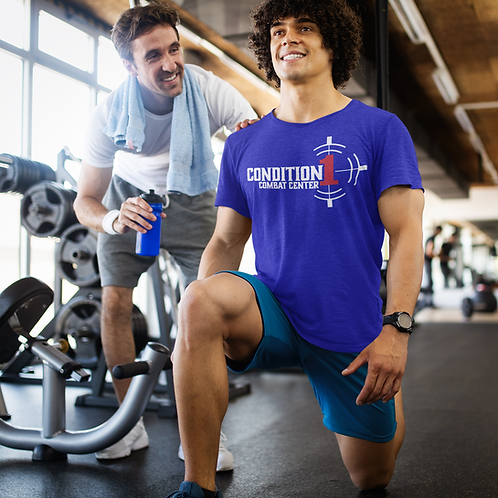
You will see classes listed on condition1combat.com under martial arts and self defense courses. Schedules shift seasonally. Aim for two classes a week at first. Three is great if schoolwork and sleep stay intact. One can work with strong home practice, but momentum builds faster with two.
A quick checklist for visiting any martial arts gym
Use the same lens whether you are touring Condition 1 Combat Center or anywhere in Spring, TX. You will learn more in ten minutes on the sidelines than from hours of scrolling.
- Are coaches giving specific, actionable feedback to teens, not just cheering
- Do partners treat each other with care, especially when there is a mismatch in size
- Is safety gear used appropriately, and are mats and equipment visibly clean
- Do teen students look focused between rounds, or are they lost and disengaged
- Are parent questions welcomed with clear, direct answers about curriculum and policies
Pathways from teen to adult training
A strong program makes the handoff to adult classes smooth. By the time a teen is 16 or 17, they can handle more intensity and complexity. Condition 1 Combat Center adult martial arts training opens the door to longer rounds, deeper strategy, and more diverse partners. The principles stay the same. Control, awareness, restraint when appropriate. The skills deepen.
For many families, training together becomes a valuable ritual. Parents who join Condition 1 Combat Center martial arts classes often discover better communication with their kids. Sharing a workout, comparing bruises, and talking through a technique drives a different kind of dinner conversation. If that appeals, look for beginner friendly adult options on condition1combat.com adult martial arts training pages and ask staff about schedules that overlap with teen sessions.
If self defense is your priority, the adult self defense classes at condition1combat.com also reinforce what teens learn, with more context on local laws, force levels, and scenario planning. Families that align on a safety plan tend to stay calmer under pressure.
For athletes, musicians, artists, and everyone in between
Martial arts reward different strengths. Soccer players bring footwork and conditioning, then learn to keep hands up and manage range. Musicians often excel at rhythm and timing. Artists and coders notice patterns fast and enjoy the problem solving side. If your teen is not athletic by nature, do not worry. Good coaching scales the work. I have seen quiet, bookish teens become anchors in a class by being consistent and coachable.
Progress looks different by person. A naturally strong kid might need to learn to downshift so partners can learn safely. A kid with less power might grow into a master of angles and timing. Coaches at Condition 1 Combat Center get that mix right more often than not, which is why retention is strong.
How families fit training into real life
The most powerful routine is the one your family can sustain. Two weeknight classes with Sunday open mat or homework drilling at home is a common pattern. For homework, five to ten minutes of stance, footwork ladders with chalk on the driveway, a handful of shadow boxing rounds, and some light mobility work keeps rust away between classes. Teens like structure they can finish quickly. Build it into the evening after homework starts to wobble.
Nutrition helps more than people think. A simple snack 60 minutes before class, like yogurt with berries or a turkey wrap, sets up better effort. After class, water and something with protein and carbs makes recovery easier. If sleep is a fight in your house, have your teen lay out class gear and a water bottle the night before. Small frictions kill consistency. Remove them.
Enrollment details and what to wear
Trial classes are standard. Ask for one. Watch from the sideline during warm ups, then step away so your teen can focus. Wear comfortable athletic clothes. If the class includes grappling or clinch work, a rash guard or snug shirt works better than a loose tee. Bring a water bottle. If the program uses gloves or shin guards, the gym often has loaners at first, then you can size and buy your own. Staff at Condition 1 Combat Center will guide you toward gear that fits the curriculum.
On day one, expect a short chat about goals. Be honest. If bullying is a concern, say so. If your teen has a sport season coming up, coaches can tailor intensity. The more context you provide, the better the experience.
Culture is the product
Facilities can look similar on paper. Mats, bags, schedule grids. What lasts is culture. At Condition 1 Combat Center, the room reflects a few simple rules. Show up on time. Work hard without being reckless. Make your partner better. Own your mistakes. Celebrate small wins. That recipe turns kids martial arts at Condition 1 Combat Center into something larger than kicks and punches. It becomes a place where teens practice being the kind of person they want to become.
If you are ready to explore, check schedules and program details at condition1combat.com. Whether you begin with self defense classes, general martial arts, or a focused teen course, you will find a clear path from first handshake to steady progress. Spring, TX has options, but few combine realistic training, thoughtful coaching, and a supportive room the way this school does. Your teen will feel it in the first month, and you will see it in the ways that matter, at home and out in the world.