Spring, TX Top-Rated Training: Condition 1 Combat Center martial arts classes
Spring sits at a busy crossroads. Families, commuters, and business owners share long days, full calendars, and the same need for personal safety and a healthy outlet. A well run martial arts program solves more than one problem at a time. It teaches practical self defense, improves strength and stamina, and builds the kind of calm that carries into the rest of your week. That blend is what draws people to Condition 1 Combat Center in Spring, TX, and it is why their classes consistently earn strong word of mouth from students who stay.
What top-rated really looks like on the mats
A polished facility matters, but training quality shows up in small habits. Coaches give clear, specific instructions. Partners train with control instead of ego. New students are never left on an island. The best compliment a school can receive is when beginners become regulars, bring their families, and still feel challenged two years later. I have watched busy professionals who started to shed stress, high school athletes who came to sharpen timing and footwork, and click here parents who wanted their kids to listen better at home. The common denominator is a curriculum that blends real skill development with a culture that rewards consistency over flash.
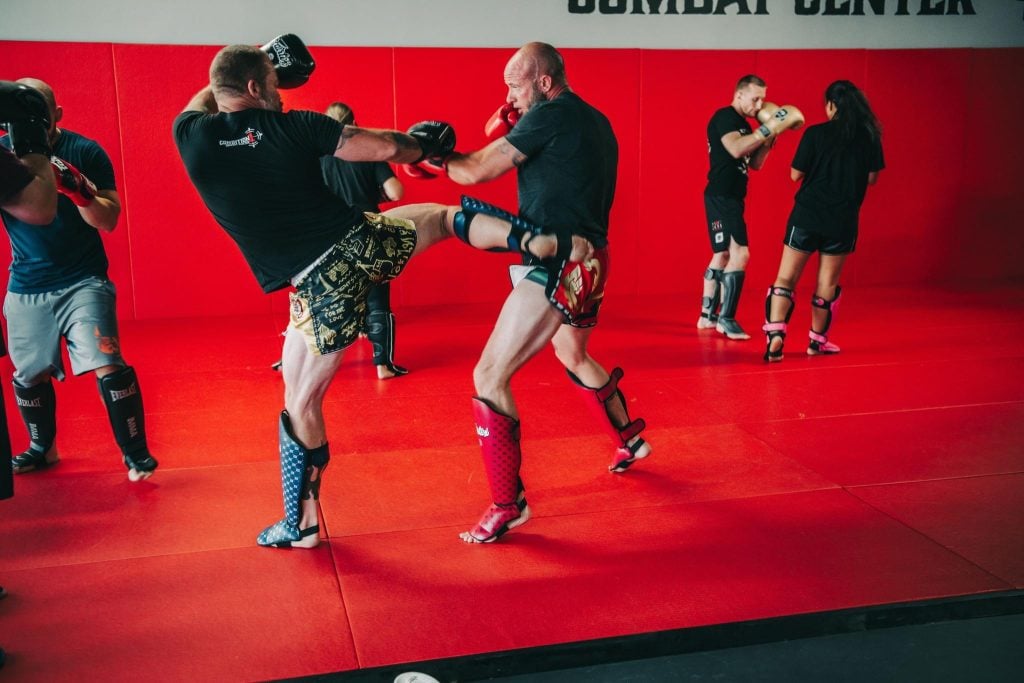
At Condition 1 Combat Center, classes emphasize realistic application without turning every session into a sparring show. You learn how to hold base, angle off a straight attack, protect your head and hips, and use simple, repeatable mechanics. The drills are pressure tested, but they scale. A first week student learns to pummel for underhooks without being cranked. A six month student adds snaps, grips, and counters. Skill stacking like this prevents plateaus and keeps training injury smart.
Who benefits from a structured martial arts program in Spring
If you ask ten students why they signed up, you get ten different answers. A nurse on the night shift wants an early afternoon class to reset after a run of patients. A software engineer needs a way to log off and move. An eighth grader craves a place where effort is noticed, not scrolled past. Condition 1 Combat Center has earned its reputation in Spring by making room for these different starting points and still maintaining a clean, rigorous standard.
Parents often begin with kids martial arts because structure is the point. Lining up at the start of class, answering up with yes sir and yes ma’am, and learning to focus for three-minute rounds are not throwaway rituals. They develop attention, impulse control, and respect under mild pressure, the same skills that make classrooms and family dinners smoother. When families mention condition1combat.com kids martial arts and ask what to expect, I point to fundamentals taught like a language: stance, guard, movement, and accountability to a partner.
Adults come for different reasons, and the best programs reflect that. Some want self defense without a tournament path, others want competition, and many want to get in shape with a purpose. The structure at Condition 1 Combat Center adult martial arts training respects recovery and real life. No one expects a parent who sleeps five hours to grind like a 22 year old. Classes are intense, then they downshift to technical drilling and mobility. Members who found the program through condition1combat.com adult martial arts training often mention that they could maintain three days a week without burning out, which is the realistic threshold for lasting progress.
What you actually learn during self defense classes
People hear self defense and think of scripted wrist releases or a single magic counter. Real defense is more practical and a little less glamorous. It starts with awareness and position. If you can manage distance, set an angle, and keep your hands and head in safe places, your options multiply. Good instruction gives you a reliable base and a small library of high percentage responses.
In the first month, students at Condition 1 Combat Center practice foundational movement: fence hands to create space, step and pivot to exit a linear attack, clinch control that shuts down wild punches, basic sweeps or trips to off-balance an aggressor, and a handful of escapes from common holds. The safety brief that opens class is not fluff. You learn how to train hard without hurting partners. That habit is how you get more rounds, more reps, and longer careers on the mats.
I still remember a Tuesday night class that focused on defending grabs near a doorway. The drill was simple. Start with your back close to a wall, manage a shirt grab, and move laterally to get the wall to your attacker’s shoulder rather than your spine. We ran the sequence for ten minutes, then stress tested it with a light push and go. Two weeks later a student used that same movement at a crowded festival when someone shoved through a line. No fight, no heroics, just a small step and angle that prevented a spill. That is what a useful self defense curriculum delivers.
If you are comparing options on condition1combat.com self defense classes or reading reviews that mention self defense classes condition1combat.com, look for language about pressure testing and context. You want drills that account for clothing, footing, and surprise, not just perfect gym conditions.
Kids learn faster when fun and discipline are both present
Children do better when classes pair skill with play. That does not mean dodgeball for 40 minutes. It means turning core mechanics into games that reward the right habits. A favorite drill for the younger set is stance tag. Students move inside a taped square, trying to tap a partner’s knee while keeping a strong stance and hands up. If they cross their feet or drop their guard, they get tagged. The game bakes in base, balance, and awareness without a long lecture.
Condition 1 Combat Center kids martial arts place a premium on role modeling. Coaches are calm and clear, and older students help younger ones line up and partner safely. The result is a room where a fourth grader can watch a seventh grader demonstrate a takedown entry and see what success looks like two or three years ahead. Parents who search kids martial arts Condition 1 Combat Center or read about kids martial arts condition1combat.com will notice comments about confidence that sticks. Confidence is not an instant download, it is the quiet change that shows up when a child volunteers to read in class or shakes hands after a lost soccer match instead of melting down.
Progress is concrete. Belts and stripes matter to kids, but so do checklists of skills that show them exactly what they have earned. If a child can shrimp up the mat, sprawl on a shot, and recover guard under light pressure, they should know it and be proud of it. The best programs teach kids to speak about their own progress, not just wear it.
Adult training that respects time, joints, and real goals
Adults want training that challenges without breaking them. Condition 1 Combat Center adult martial arts training follows a simple formula that works: warm with intent, drill with progressive resistance, then finish with focused live rounds or scenario work. You will sweat, but you will know why you did each part of the session. I have seen plenty of thirty-somethings rediscover athleticism by replacing random workouts with three structured martial arts classes a week.
Recovery is built into the culture. You will hear cues that protect knees and shoulders, learn to tap early and often, and rotate partners by size and experience. When you spot marketing that mentions adult martial arts training condition1combat.com or condition1combat.com adult martial arts training, read between the lines for how they talk about safety. A room that prioritizes clean movement and communication is one you can train in for years.
Weight loss and conditioning are real benefits, but they are side effects of focused practice. Students often lose 8 to 20 pounds over a few months by showing up consistently, not by chasing numbers. Better posture, improved grip strength, and steadier breathing are the markers that tell you your engine is improving. The mirror follows.
Coaching that treats technique as the driver, intensity as a tool
Good coaches do not shout their way to results. They explain cause and effect and they give you one or two cues you can hold under pressure. An instruction like get your head to the far hip is useful because you can check it mid-roll. A vague exhortation to be aggressive means little. The instructors at Condition 1 Combat Center, from what students report, emphasize clear checkpoints. They ask you to stabilize position before you chase a finish, stay heavy through your connection rather than muscling a throw, and practice re-centering when you get pinned.
Intensity has its place. Hard rounds make you honest, but only after your mechanics are right. This balance is why you can put a first week student with a patient blue belt and both get better. That pairing, done correctly, is a hallmark of a mature room.
The first month, practically speaking
People want to know how it really feels to walk into a new gym. You will sign a waiver, meet a coach, and be assigned a partner who helps you through warmups. Expect ten to fifteen minutes of movement prep that looks like joint circles, hip and shoulder activation, and a little core engagement. Then technique in chunks, with partners rotating. Live rounds are scaled. In some classes, your first exposure to resistance is positional sparring from a known start, like escaping a hold or defending a clinch. That format removes the chaos and lets you apply one or two decisions under pressure.
Bring a water bottle, a clean shirt, and a willingness to ask questions. Show up five minutes early to wrap hands or tie a belt if the program calls for it. The small courtesies of lining up fast, listening with eyes and body, and thanking partners after rounds will make your training life easier and better.
Safety, cleanliness, and culture
Safety is not just about how people spar. It is also about how the room looks at 6 pm on a rainy Tuesday. Mats should be dry and disinfected, gear stored off the training surface, and bare feet never leave the mat area. At a place with steady traffic like Condition 1 Combat Center, good mat hygiene and quick cleanup between classes are non-negotiable. Students share responsibility. Wipe sweat, clip nails, and report any mat burn or cut to a coach for quick care.
Culture shows up in how advanced students treat beginners. If you see purples or browns who take time to help a white belt with grips or footwork, you are in the right place. Respect is not ceremony, it is a daily practice of making partners better.
How to choose the right class track for your goals
Condition 1 Combat Center martial arts classes cover several tracks, typically divided by age and focus. If you are browsing martial arts classes condition1combat.com or reading schedule notes for martial arts classes Condition 1 Combat Center, match the class title to your goal. A fundamentals or foundations class builds the bedrock: stance, posture, escape routes, and core attacks or defenses. An all levels class assumes you can move safely with partners and know the room’s vocabulary. If competition prep is offered, it focuses on strategy, pacing, and rulesets, which is useful even for non-competitors because you learn to solve problems on a clock.
Parents often ask when a child is ready to move up. A good rule is attention over acrobatics. If your child can follow a two-step instruction and keep their partner safe for the length of a round, they are ready to sample the next level.
Why community matters more than marketing
Plenty of gyms look sharp online. The test is whether you feel seen when you walk in, whether your questions are welcomed and answered, and whether the training partners in front of you look like the life you live in Spring, TX. A healthy room has a mix of ages, sizes, and backgrounds. You should see teachers, mechanics, nurses, college students, and retirees working side by side. You should also notice that the gym has off-the-mat touchpoints: a community board, a charity drive, or a Saturday coffee after open mat. Those are the sticky fibers that turn a workout into part of your week.
The most common reason people stop training in the first six months is not injury, it is friction with scheduling or feeling lost. At Condition 1 Combat Center, staff encourage a short check-in after your first week to make sure you are in the right class at the right time. That tiny bit of attention reduces drop-off and raises standards, because people show up when they feel progress.
What to look for when you visit a class
- A clear start and finish to class, with concise coaching points that repeat through the hour.
- Partners rotated by intention, not accident, so sizes and skill levels match safely.
- Coaches who move through the room, correct hands-on with permission, and remember names.
- A pace that builds from drilling to controlled resistance without chaos.
- Students cleaning mats and gear promptly, a sign of shared ownership.
If you see those five, you are in a room that will help you grow.
A short story about day-one nerves
First nights have a familiar script. A new student lingers near the door, shoes lined up, eyes taking in the space. Coaches notice. At one recent beginner session, a father of two in his forties joined after finding condition1combat.com martial arts classes through a coworker. The goal, in his words, was simple: get safer, get moving, and set a better example at home. During the partner drills his footwork tangled, his hands floated, and he apologized a lot. By the third round, his partner redirected him with one cue, “Point your toes where you want to go.” The change was immediate. He left sweaty and smiling. Six weeks later he brought his oldest to a trial kids class. Real progress looks like that, not a movie montage.
Pricing, schedules, and how to think about value
Every program has to balance cost with access. Prices in Spring vary, but most reputable gyms use monthly memberships with options for class frequency. You will often see family plans or discounts for multiple members, a nod to the reality that martial arts tends to pull in household members over time. When comparing value, do not fixate on price alone. Consider coaching quality, class density, mat space per student, and how many sessions fit your week without causing stress at home. A slightly higher fee that buys you class times you can attend consistently is the better investment.
Schedule flexibility matters. Look for an evening option on at least three weekdays, plus a Saturday slot. If you work swings or irregular shifts, ask about midday sessions. The team at Condition 1 Combat Center can outline what is available, and the contact path through martial arts condition1combat.com or condition1combat.com martial arts makes that first conversation easy.
The difference between fitness kickboxing and integrated martial arts
Some people want a pure sweat session with mitts and music. Nothing wrong with that, but know the distinction. Fitness-only classes burn calories but may not teach distance management, structure in your guard, or how to escape a hold. Integrated martial arts classes tie your conditioning to specific defensive skills. After a month of the latter, you not only feel fitter, you can also keep your hands up when tired, breathe under pressure, and find a safe exit when someone crowds you. That is a material difference if self defense is your goal. On the site, phrases like Condition 1 Combat Center martial arts or martial arts Condition 1 Combat Center usually mean the integrated path, which builds transferable skill along with cardio.
How parents can support kids training at home
- Celebrate effort, not just stripes or belts, by pointing out focus during a tough drill.
- Keep a simple gear routine: pack after dinner, air dry uniforms, and clip nails on Sunday.
- Ask for one teach-back per week, where your child shows you a stance or movement.
- Frame losses as data, then ask what one thing they will try differently next class.
- Keep attendance steady, even during busy weeks, to preserve momentum.
These small habits do more for a child’s growth than any single technique.
The long game: measurable progress without shortcuts
Real martial arts skills compound like good investments. Three months in, you should feel less lost and more organized. Six months in, you will start to anticipate common attacks and build second options. A year in, your posture and balance become the kind of quiet strength that shows up in daily life, from carrying groceries to staying calm in a tense meeting. Coaches at a top-rated gym keep you honest with measurable checkpoints. Can you escape mounted control from a heavier partner within 30 seconds under controlled resistance? Can you maintain a safe clinch and off-balance an aggressive push without turning your back? Those are better markers than counting rounds survived.
Plateaus happen. The answer is not more chaos, it is tighter focus. Film a round, ask a coach for one technical fix, and spend two weeks owning that change. Students who take this approach avoid the frustration loop and retain joy in practice.
Getting started with Condition 1 Combat Center
If you are ready to train, the simplest path is to visit the facility, watch a class, and speak to a coach about goals. Explain your schedule, injuries, and what you hope to learn. Whether you found them through condition1combat.com self defense classes, condition1combat.com martial arts, or a friend’s recommendation, the team can steer you into an appropriate starting point. Most students begin with two to three sessions a week for the first month, then decide whether to add a day once their body adapts.
Take note of how you feel after class, not just during it. Good training leaves you happily tired and mentally clearer, not wrecked. If your first week soreness is sharp or localized, mention it early. Coaches would rather adjust your workload than see you sit out for two weeks.
Final thoughts for the Spring, TX community
Spring is a place that rewards self starters. Condition 1 Combat Center fits that spirit by offering structured, realistic training that welcomes beginners and challenges veterans. From kids learning to listen and lead, to adults improving self defense and health in one hour blocks, the program has become a reliable resource for families and professionals across the area. If you want a room that values safety, clarity, and steady progress, you will find it here.
Whether your search began with martial arts classes Condition 1 Combat Center, kids martial arts condition1combat.com, or adult martial arts training Condition 1 Combat Center, the next step is the same. Step onto the mat. Listen well. Train with care. The skills you build will serve you far beyond the walls of the gym.